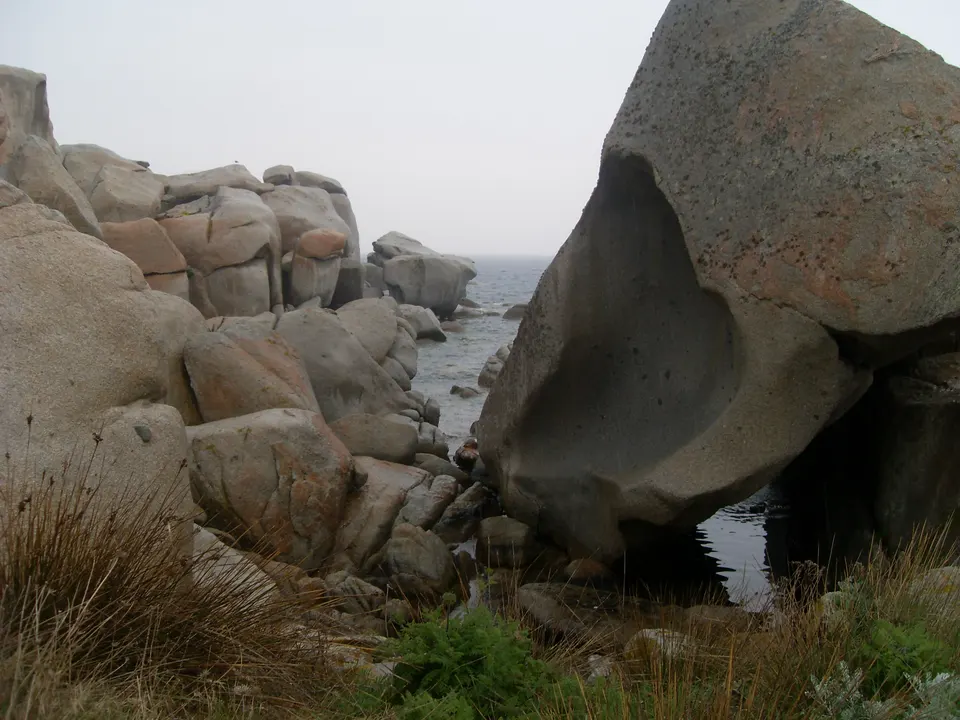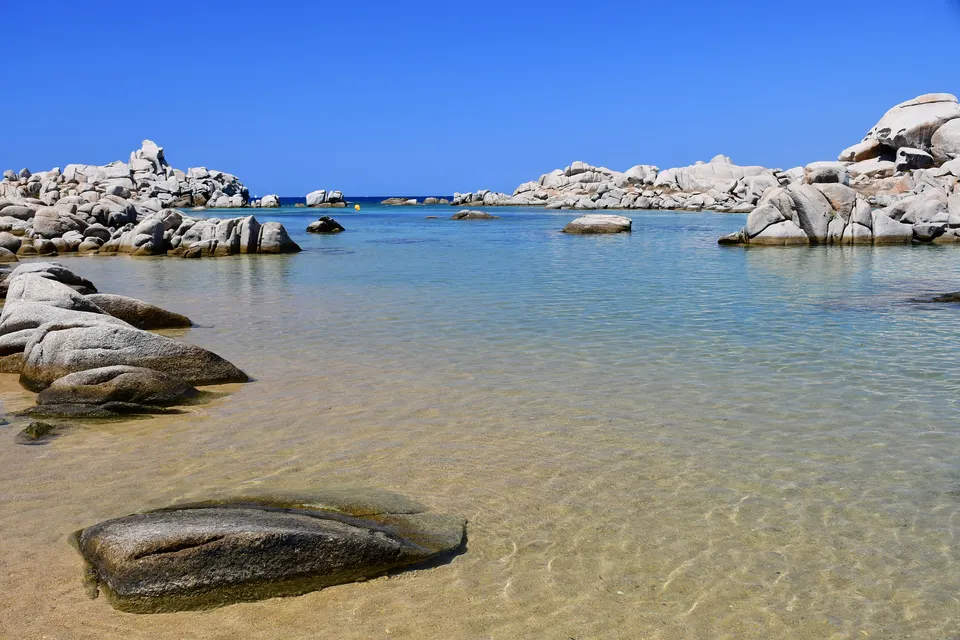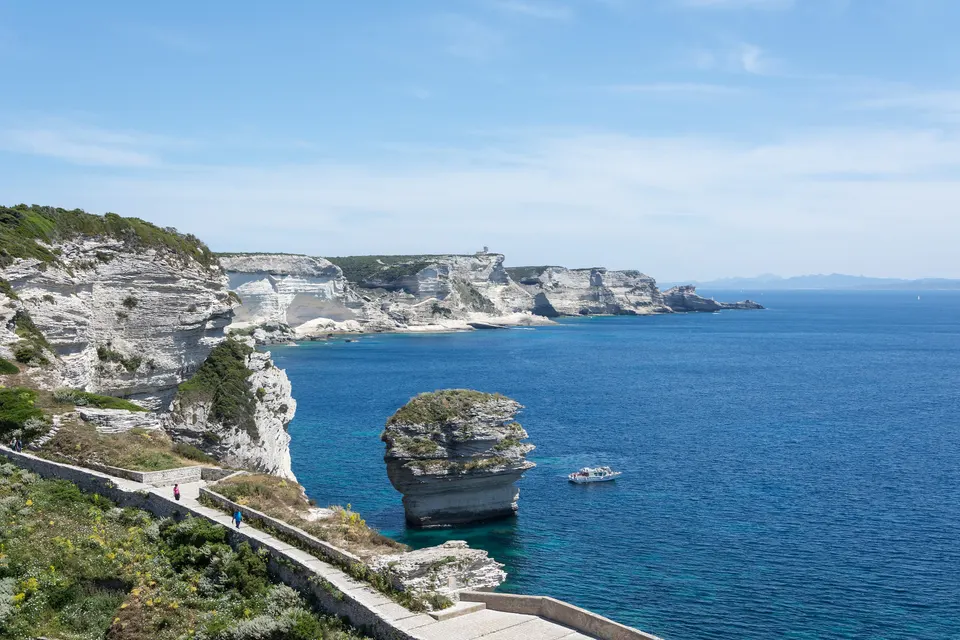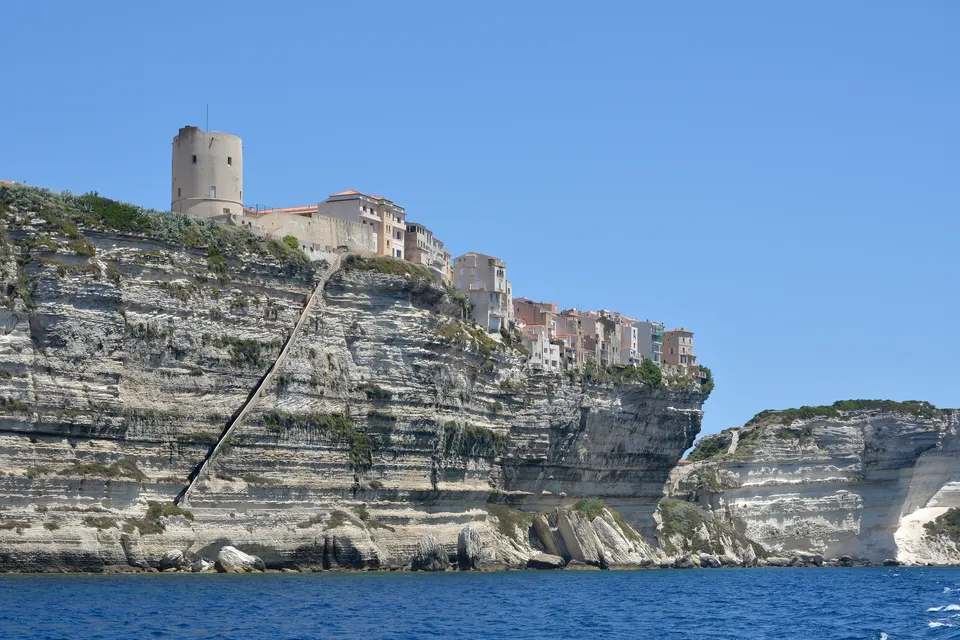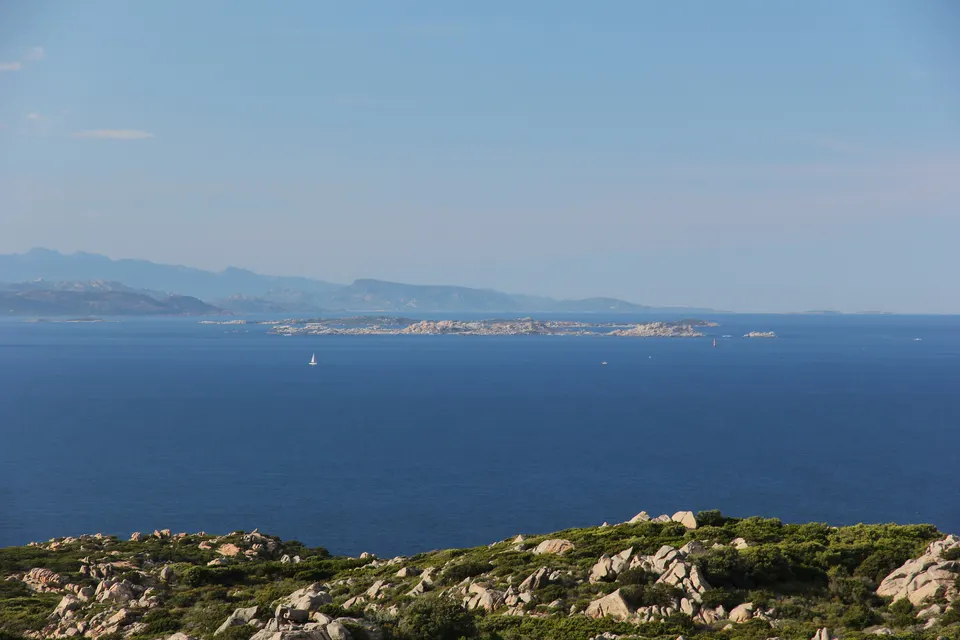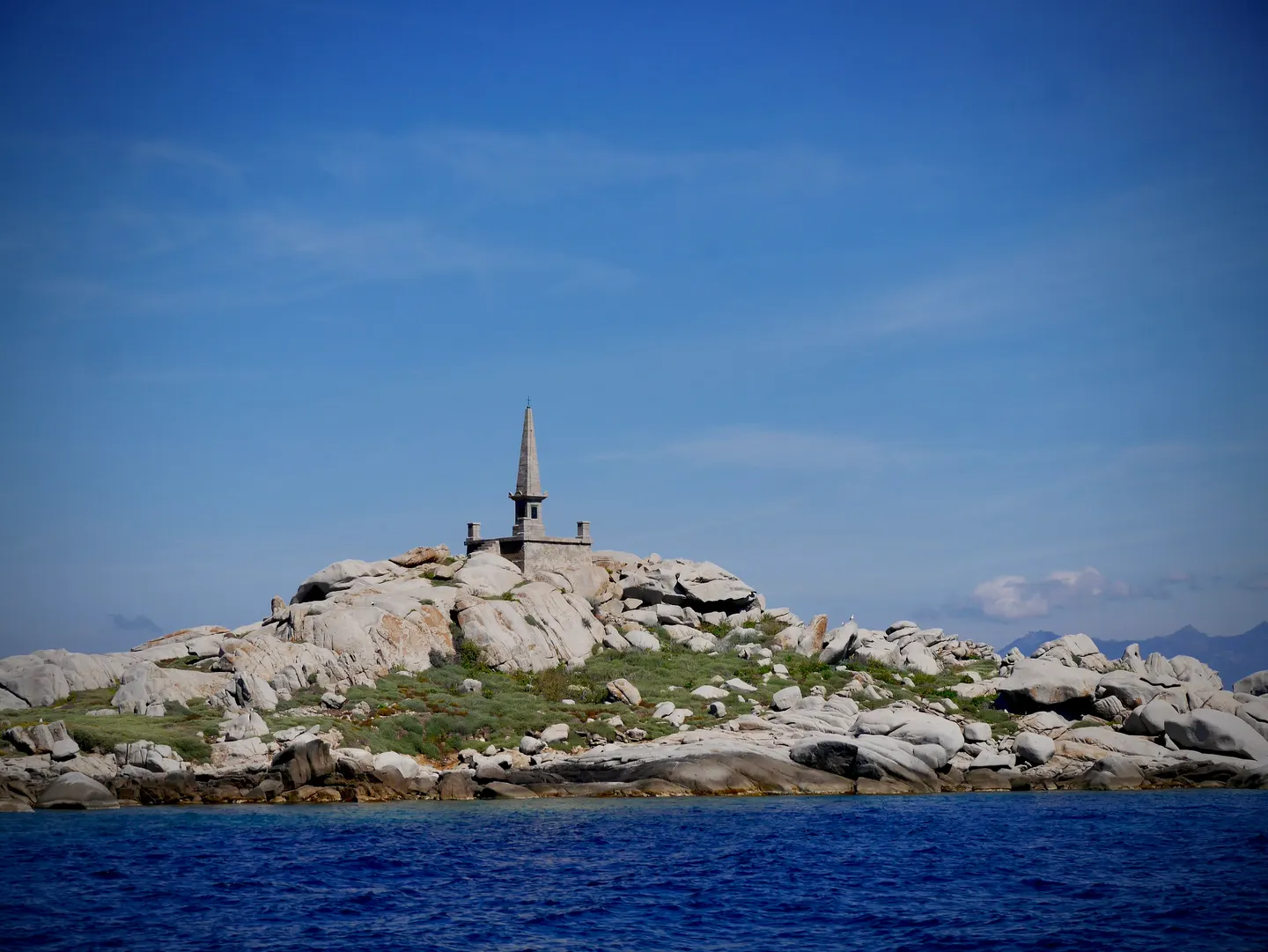
The Sémillante, a French Navy frigate that left Toulon on 14 February 1855 for the Crimean War, was wrecked at the Lavezzi Islands around midday on 15 February 1855, caught in a storm and thick fog. None of the 773 men on board survived. 560 bodies lie in the two cemeteries on Lavezzu island, Acharino to the west and Furcone to the east; a pyramid marks the islet where the frigate broke up. The disaster led Urbain Le Verrier to create the first weather bulletins.
Key facts
- 15 February 1855, around midday: the frigate strikes a shoal at Lavezzi.
- 773 men on board, no survivors; 560 bodies buried on the island.
- Acharino (west) and Furcone (east) cemeteries, pyramid on the islet by Cala Lazarina.
- Alphonse Daudet wrote it up as « L'Agonie de la Sémillante » (Letters from My Windmill, 1869).
The wreck
| Key fact | Value |
|---|---|
| Ship | French Navy frigate |
| Departure | Toulon, 14 February 1855, bound for Crimea |
| Captain | Commander Jugan |
| On board | 773 men (officers, 293 sailors, over 400 soldiers) |
| Wreck | 15 February 1855 around midday, Lavezzi Islands |
| Survivors | none |
Caught in a violent storm off Sardinia, the Sémillante tried to pass through the Strait of Bonifacio by way of Lavezzi, an area of reefs and breakers. Driven by a southerly squall in thick fog, she struck a shoal at around twelve knots and sank. The first bodies washed ashore on 18 February; with no means of transport, they were buried on the spot.
The cemeteries and the pyramid
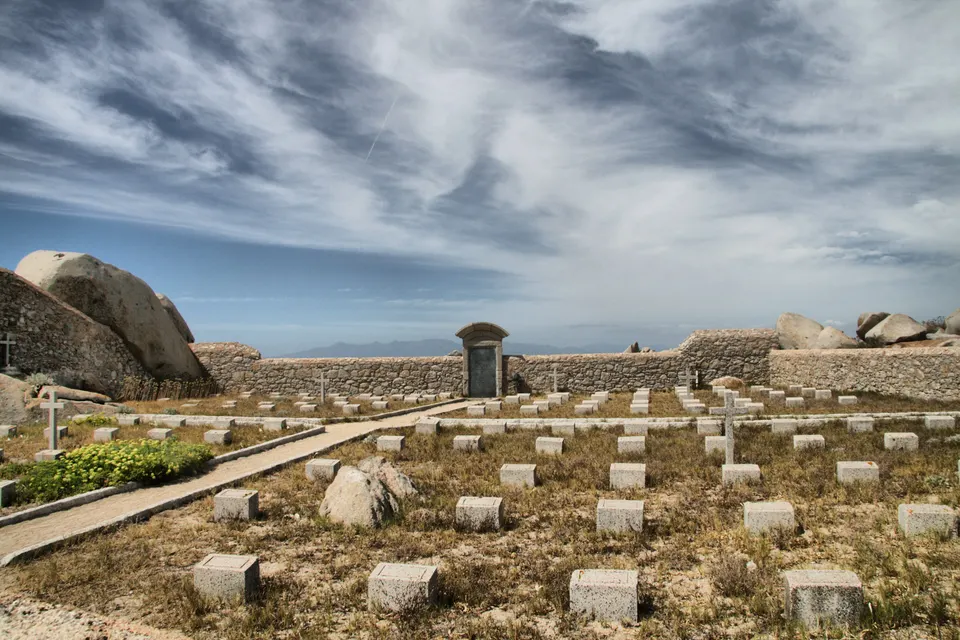
Lieutenant Bourbeau, who led the inquiry, had two cemeteries opened on the island: Acharino to the west and Furcone to the east, where a small chapel bears a plaque to the army and navy officers who died. 560 bodies lie there. The Ministry of War and the Navy raised a pyramid on top of the islet on the western side of Cala Lazarina, where the frigate ran aground. This islet, known as the Pyramid islet, is one of three places where landing is still allowed in the reserve.
The marked path on Lavezzu passes both cemeteries: see the island walk.
Daudet, Le Verrier and the lighthouse
Alphonse Daudet told the story in « L’Agonie de la Sémillante », one of his Letters from My Windmill (1869). The astronomer Urbain Le Verrier, asked to study the storm, concluded that with the telegraph it could have been forecast and the frigate kept in Toulon: his study is seen as the founding act of the first weather bulletins. In 1874, a lighthouse was built in the south of Lavezzu island.
The wreck site
The frigate’s remains, widely scattered, have been known to divers since an expedition in 1952. Historic wrecks are protected by law: nothing may be brought up. To dive in the reserve, see snorkeling and diving.
Frequently asked questions
How many people died in the Sémillante shipwreck?
773 men, with no survivors: the officers, a crew of 293 sailors and a detachment of over 400 soldiers, according to Wikipedia.
Where are the Sémillante victims buried?
560 bodies lie in the two cemeteries on Lavezzu island: Acharino to the west and Furcone to the east. The others were never found.
Can you visit the cemeteries?
Yes, the island's marked path goes past both cemeteries. See the Lavezzu walk.
Sources
Information checked against the sources below. Timetables, prices and rules change: confirm before you go.
- Wikipedia (French), Sémillante (frigate), accessed 9 November 2026
- Wikipedia (French), Îles Lavezzi, accessed 9 November 2026
- Wikisource, Alphonse Daudet, L'Agonie de la Sémillante (in French), accessed 9 November 2026
- Decree of 23 September 1999: landing allowed on the Pyramid islet (in French), accessed 9 November 2026